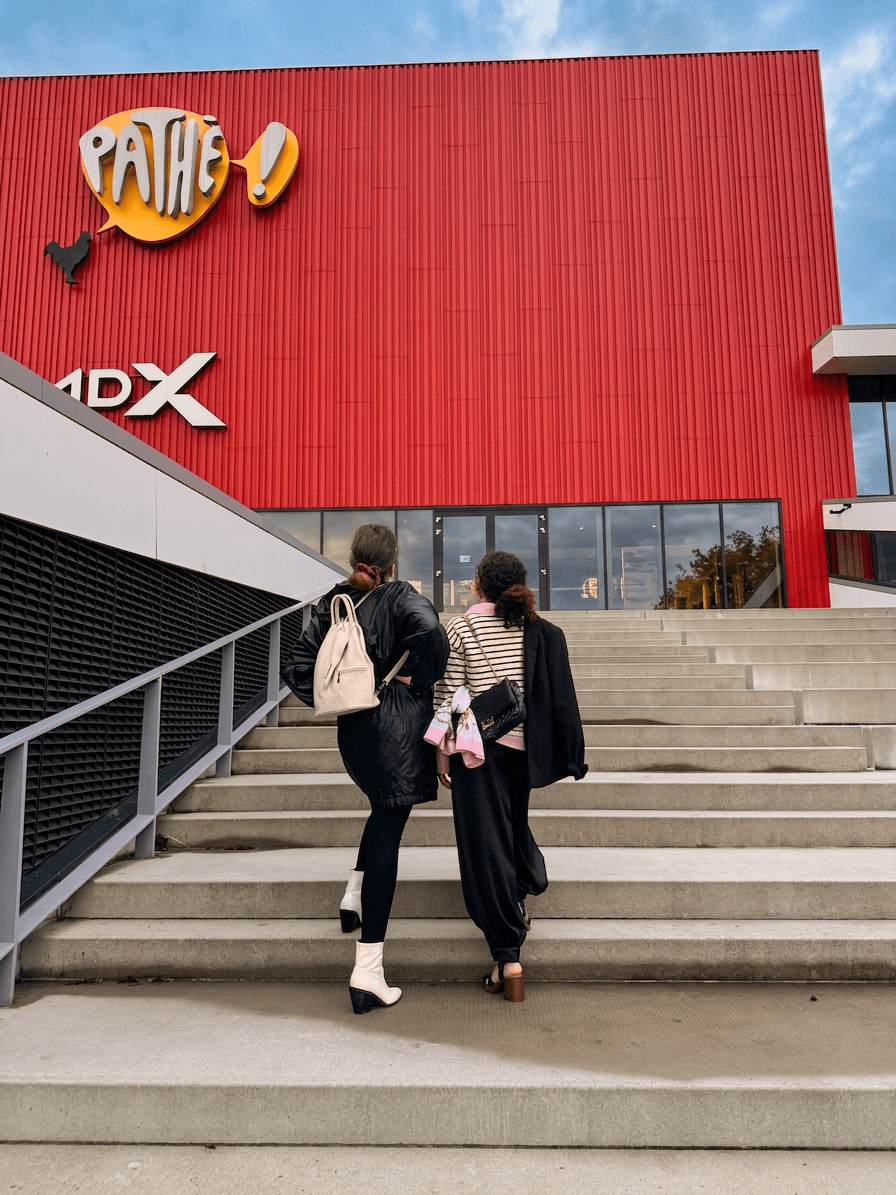
Watching The Devil Wears Prada 2 in Nijmegen in 2026 felt very different from watching the first version in London twenty years ago.
Back then, the story felt like fashion fantasy — sharp silhouettes, impossible ambition, and women moving quickly through a world that seemed glamorous precisely because it felt untouchable.
This time, sitting in a Dutch cinema accompanied by a good friend, costume creative Valentina, I noticed something else entirely: the exhaustion hidden beneath the performance of perfection.
Perhaps it is because the world itself feels more unstable now. Digital culture transformed identity into constant visibility, and personality is often shaped for attention and relevance. Softness seems increasingly hidden beneath the pressure to remain productive, desirable, and financially successful, no matter the emotional cost.
Every movement in the film, such as the urgency, the ambition, and the invisible hierarchy between success and teamwork, felt different to me now. Miranda, Andy, and Emily no longer appeared simply as characters inside a fashion story, but as emotional representations of survival within highly competitive systems.
This time, I felt the energy of that world almost physically, like a current moving through the cinema itself. The soundtrack intensified that sensation, turning even ordinary scenes into moments charged with pressure, desire, and performance.
What surprised me most, however, was how fragile certain contemporary forms of celebrity now appear in comparison. Even Lady Gaga’s presence within today’s fashion culture can sometimes feel more performative than powerful, yet emotionally less imposing than the controlled silence Miranda carried so effortlessly.
And still, the world of fashion remained magnetic on screen. Beauty, ambition, and identity continue circulating together regardless of how much the surrounding culture changes.
Leaving the cinema, I realised the film no longer felt nostalgic to me.
It felt observational.
 CLAUDIA FALCÃO
Leave a comment